
Hey!
Welcome back to another edition of stay in the loop.
There's a pattern that shows up across what we have been publishing lately: the roadmap that says one thing and the calendar that shows another.
The discovery process that runs, produces findings, and changes nothing.
In each case, the gap is between what a team says it is doing and what is actually happening when you look closely enough.
Let's get into it. 👀
🧩 The product operating model explained
Most organisations trying to move beyond the feature factory make the same mistake: they change the vocabulary without changing the structure.
A product operating model is not a set of practices, but a structural system that determines:
- who holds decision authority
- what teams get measured on
- whether discovery can genuinely change a decision already in motion
Until those conditions change, the feature factory reproduces itself in different languages but with the same underlying logic.
The most reliable diagnostic question is this: what actually happens in your organisation when a PM disagrees with a senior stakeholder?
📊 How will you measure your product?
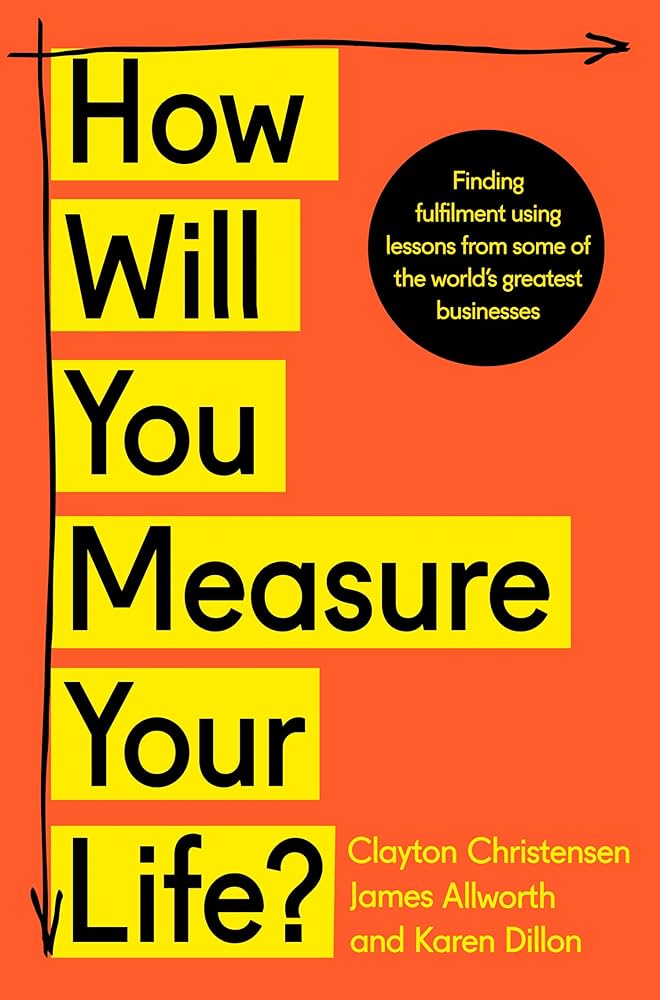
Clayton Christensen wrote his most famous book for people trying to figure out how to live a good life.
The central provocation is this: your real product strategy is not the one in your vision document, but the one revealed by where engineering capacity actually goes over a sustained period.
Take the last few quarters and break down what the team worked on. Most product teams find a significant gap between what they say they are building toward and what that breakdown reflects.
Christensen's point is not to assign blame, but to get a picture of what the organisation values in practice.
🚀 AI in product discovery at Teamleader

Kalina Lipinska, VP of Product at Teamleader, opened our last Product Apéro talk with a confession most product managers in the room recognised: discovery often happens for topics the team was already planning to work on, and the research rarely changes the outcome.
What she described next was how Teamleader is using AI to make discovery faster and more honest.
Her sharpest point was about the failure modes: AI does not make teams more rigorous, it makes them faster at whatever they were already doing.
If the thinking was clear, the output improves; if it wasn't, the mistakes just arrive sooner.
🤖 Vibecoding for product managers

Elena Avramenko has run over 25 vibecoding workshops across Europe, and her central point cuts through most of the noise.
Vibecoding is about turning clear thinking into working software faster than was previously possible.
The PMs who do it well bring what they already know: defining outcomes, testing assumptions, and iterating on feedback.
The ones who struggle treat the speed of prototyping as a reason to skip validation.
Elena's rule before writing a single prompt is straightforward: one audience, one pain, one action. The narrower the scope, the faster you find out whether the idea is worth building.
👀 In case you are new
We are a product consultancy based in Brussels. We train, coach, and work hands-on with product teams and their leaders across Europe. Scale-ups and large enterprises come to us when good intentions are not translating into good product outcomes.
If that sounds familiar, let's talk.

